Maintenance Tips

A selection of handy tips and tricks to keep your home looking and feeling great.
Weekly Maintenance

  • Empty and clean out your removable shower tray waste trap to avoid blockages
  • Lightly vacuum your smoke and heat detector sensors to remove dust and debris from the surfaces
  • Clean down white limescale build up on taps and showers – limescale residue is down to the water hardness in your area
  • Do a weekly test on your smoke alarm system
  • Do a weekly test on your carbon monoxide detector

Monthly Maintenance

  • Regularly lubricate all locks and hinges to windows, including the garage door mechanism and cables
  • An oil-based lubricant is a handy spray to keep
  • Internal door hinges should be regularly lubricated to prevent black residue appearing around the hinges. A 1-3 oil-based lubricant is a handy spray to keep. Be sure to protect surrounding areas when using any oil-based lubricant sprays
  • External finishes dull over time and, where appropriate should be washed on a regular basis.

Annual Maintenance

  • Service your boiler and/or unvented water storage system to ensure it operates safely and within our warranty requirements. Be sure to use a gas safe registered engineer
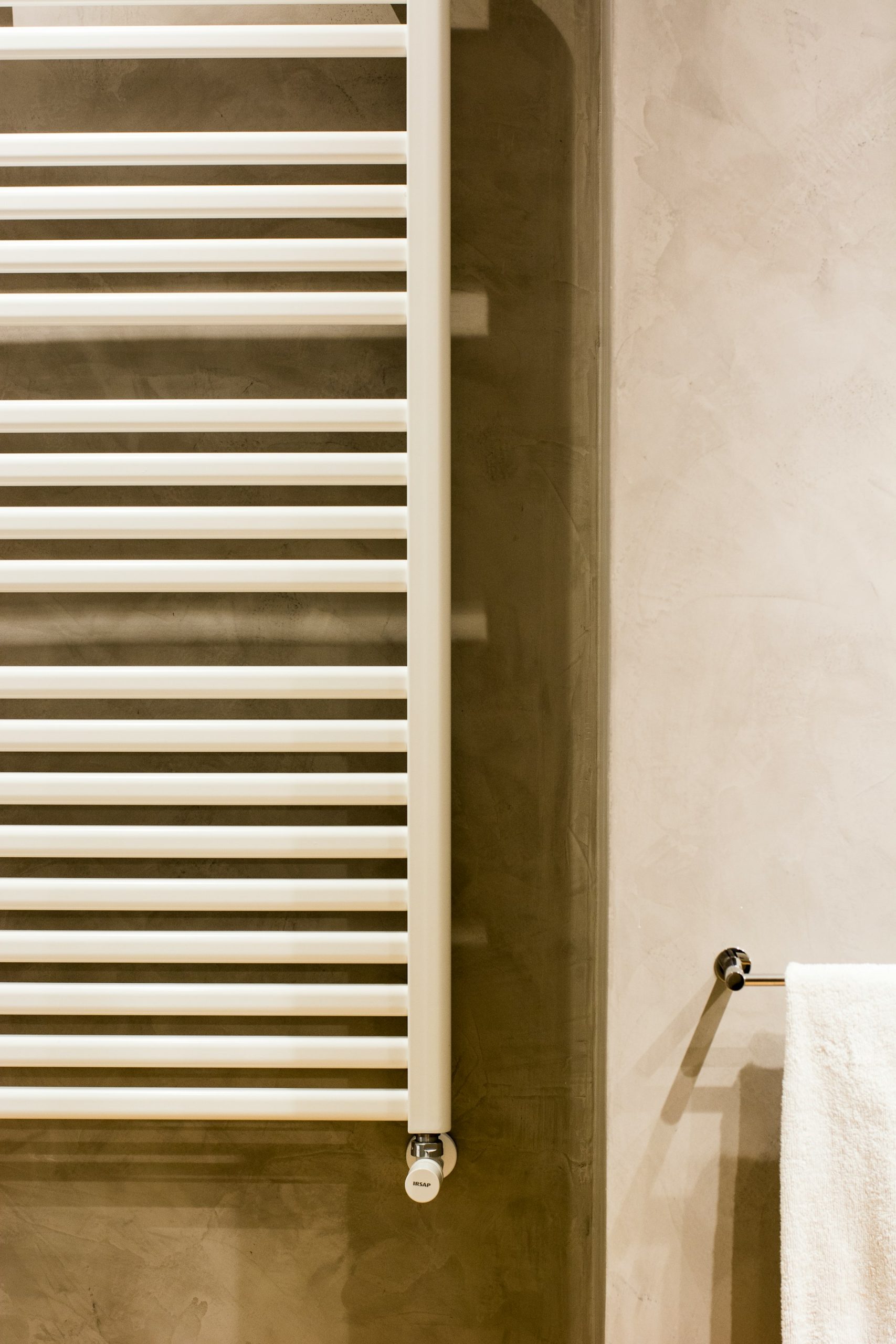
  • Bleed your radiators and check your boiler pressure. To bleed your radiators. you will need to purchase a valve key from any DIY store and have a cloth handy beneath the valve to catch any water that might leak from it
  • Change the backup batteries in your smoke alarm system
  • Check your guttering in the summer months to ensure that they are free from debris and leaves to avoid future blockages or leaks. Wet patches on the walls below may indicate a blockage
  • Shut off and drain your outside tap between the months of October through to April to ensure safety over the winter months. As our outside taps are located on external walls and fed from the inside of the dwelling, a service valve to isolate the tap is located inside the property
  • Once you have isolated the tap at the service valve, ensure the tap is fully drained of water. The tap head should then be left open to allow any water droplets to disperse
  • Outside woodwork should be regularly repainted or stained to preserve wood

General Care

  • Where recessed down lighters have been installed within your property, any replacement bulbs should match the existing specification. Alternative lamps such as halogen can give off more heat and may cause overheating, which could potentially result in a fire
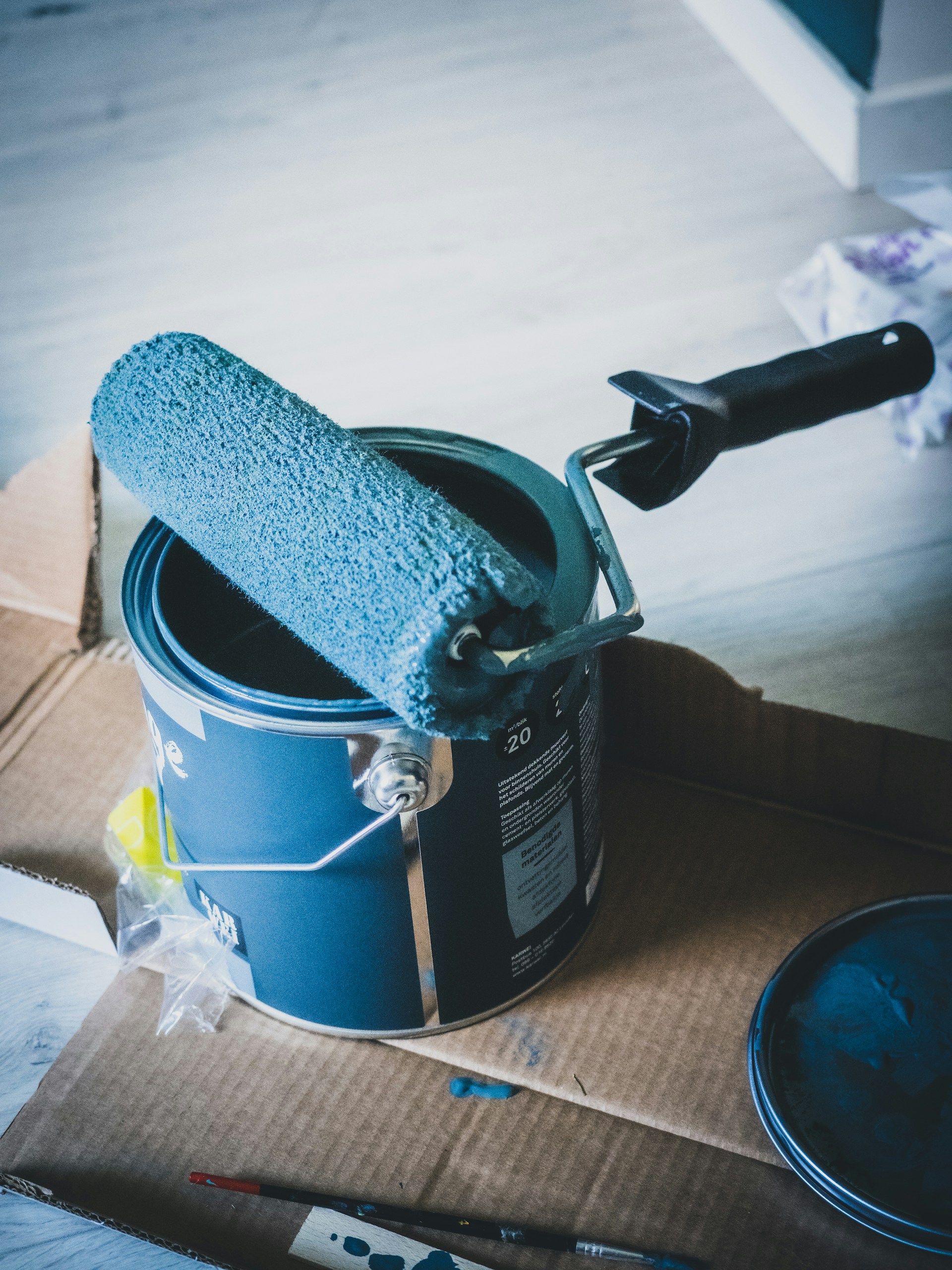
  • Leave any shrinkage cracks for the first 12 months, to allow your home to fully dry out before carrying out any redecoration work. When the time comes, make sure you fill in any minor gaps or plaster cracks with decorator’s cork or filler before redecorating
  • Always check for cables and pipes with a detector prior to attempting to fix anything to your walls or ceilings
  • You may have some fire doors fitted within your property. Fire doors are significantly heavier than standard internal doors. These doors may have a self-closing mechanism fitted. Please ensure these doors are not removed, disabled, or left open at any time
  • It is vital that your home is correctly ventilated, and that chimneys, flues, airbricks, and mechanical ventilation is not blocked or obstructed in anyway
  • Inspection chambers are there to provide access to the drainage system below the ground so that blockages can be cleared
  • It is important that these areas are not covered over by soil, turf, or paving

Drainage

Keeping your drains clear is easy – follow these top tips:
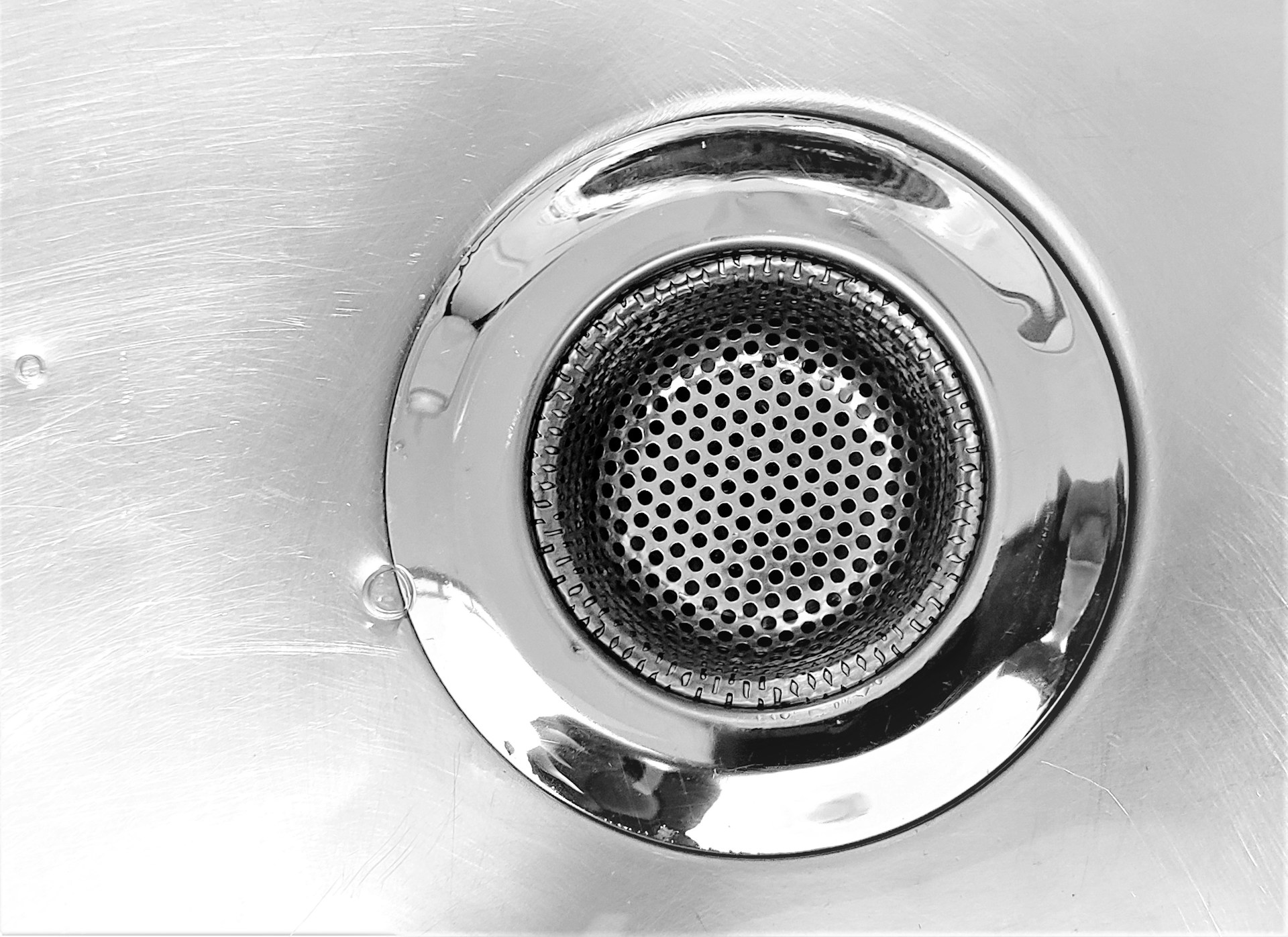
  • You might not be aware, but oil, fat and grease should always but put in a bin, not down your sink. As greasy liquid hardens as it cools and can block your drain, causing a nasty smell. Always scrape your plates and pans into the bin before rinsing them
  • Remain from flushing wipes, cotton wood or buds down the WC
  • Items that claim to be flushable such as cleaning and make up wipes can block your drains; it is best to always put them in the bin

Lawn Aftercare

Watering

Newly laid turf must be well watered, and then kept damp for 2-4 weeks until the lawn is fully established. Watering should be done at the start or end of the day, avoiding direct sunlight which may scorch the turf. It is very easy to underestimate the amount of water required, but it is worth remembering that during hot dry spells, your gardens can be dry up to six inches, and it can take an hour for water to soak down just one inch-that really is a lot of water!

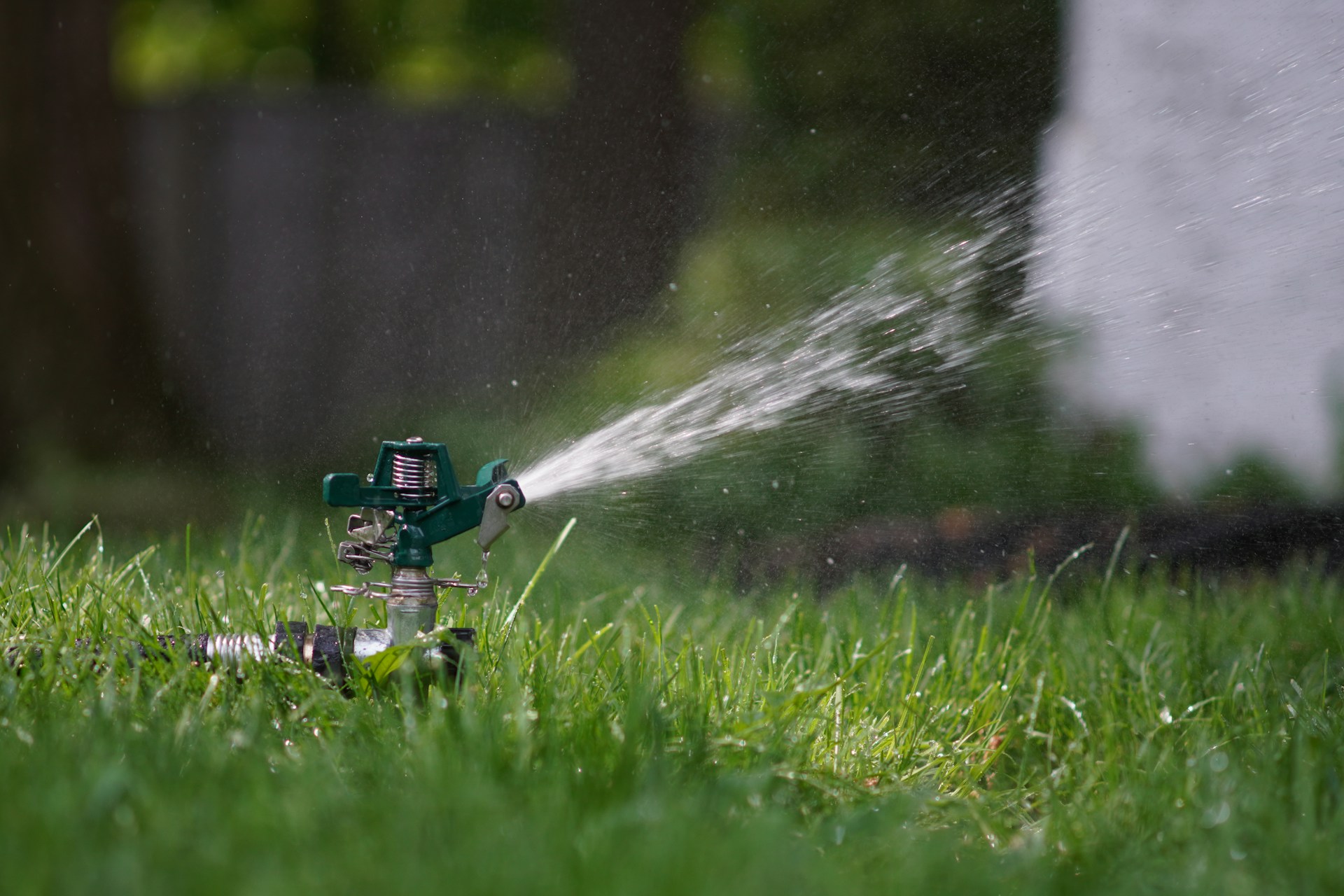
Sprinkler systems are great however, please check to ensure they cover the entire lawn. Pay attention to the grass edges which will dry out first. Avoid walking on turf during rain or after watering to prevent divots whilst the lawn is still establishing.

When to Mow

Please do not be in a hurry to cut the lawn. Allow the turf to settle and take root for about 3 weeks after it is laid. If you try to lift the turf at an edge and it is well rooted to the ground, then that is a good indication that it is ready for its first cut.

For initial cuts, set the mower to its highest setting to avoid stressing the grass, ensure the blades are sharp. Cut your new lawn regularly, maintaining between 38-50mm (1.5-2″). The cut height may be reduced gradually to the optimum level of between 15-35mm (0.5-15″) once your new lawn is fully established.

Explore More

Complaints

Dedicated to providing excellent customer service and maintaining a healthy customer relationship

Learn more

What’s Covered

Dedicated to providing excellent customer service and maintaining a healthy customer relationship

Learn more

Safety

At Bede Homes, your safety is our primary consideration.

Learn more

Exciting New Homes Coming Soon

To receive information or updates from Camfero Homes, please subscribe here with your email address. You can opt-out at any time.